Sophia
Wellbeing & Living Editor ·
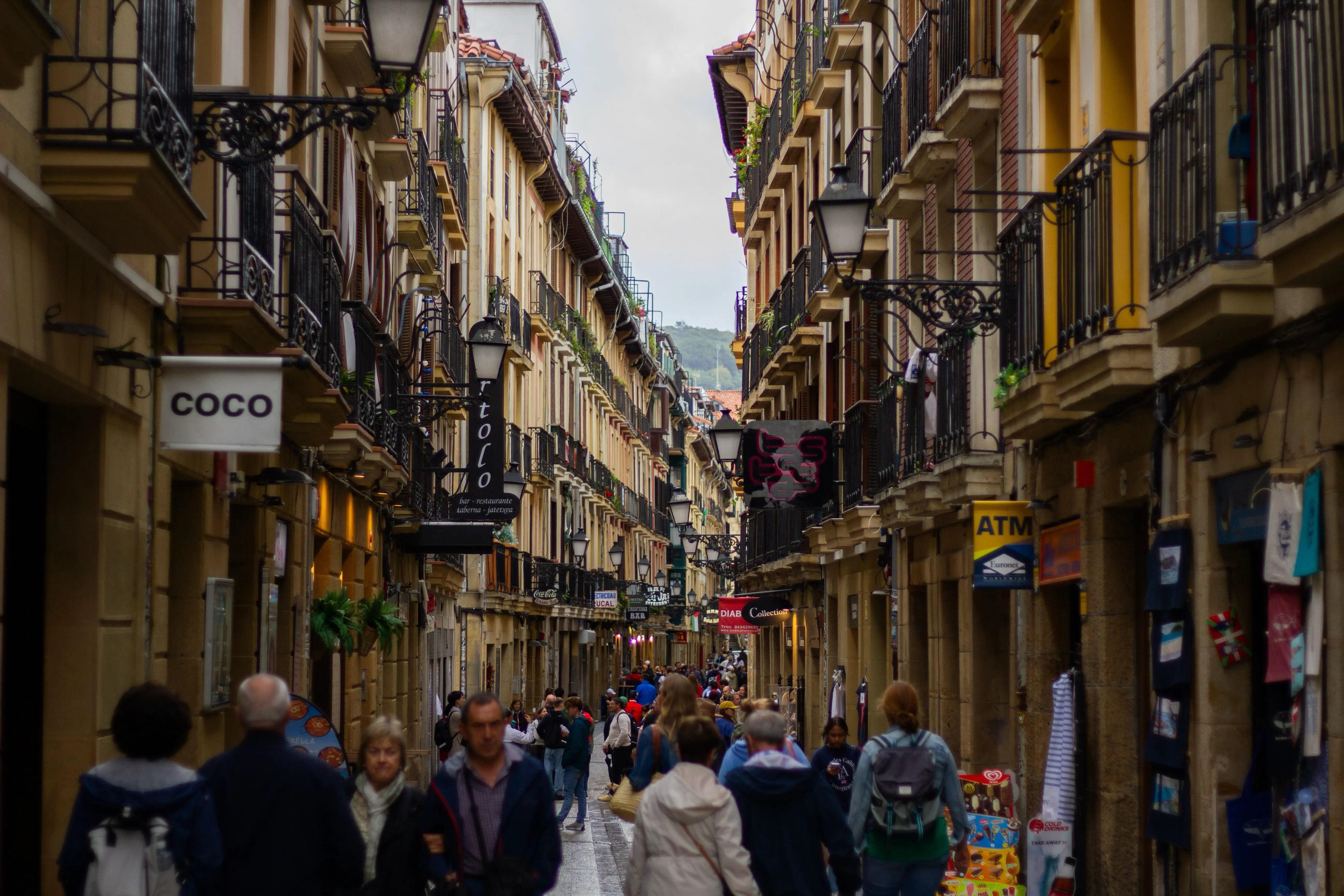
Parte Vieja is the reason most people come to San Sebastián — and the reason some of them struggle to leave. Ninety-nine pintxo bars packed into 1.5 km of cobbled streets, a central square with a history darker than its current café terraces suggest, and a port that still smells of the sea rather than sunscreen. The trade-off is noise: this is not a neighbourhood that quiets down before midnight, and the streets narrow enough that a crowd on a Friday feels like a crowd in your kitchen. If that doesn't deter you, read on.
This guide covers:
What parte vieja san sebastian actually feels like to base yourself in
The famous pintxo bars worth your time — and the ones you can skip
Plaza de la Constitución and what the numbered balconies are actually about
The landmarks, churches, and museums that make the old town worth more than a day visit
How to find a furnished apartment in the neighbourhood without booking too late
What the txikiteo pintxo crawl involves and how to do it without overspending
What Parte Vieja San Sebastián Actually Is: A Neighbourhood with a Real Identity
Three days in Parte Vieja tells you about tourism. Three weeks tells you about the neighbourhood — and those are two very different experiences.
The Rhythm of the Old Town
The old town runs on a schedule that suits locals, not remote workers on European hours: late lunches, later dinners, and bars that hit their stride after 10pm.
Mornings are calm — the streets before 9am belong to delivery trucks and the occasional runner heading up Monte Urgull
The pintxo rush starts around 1pm for lunch and again at 8pm; if you need focus hours, build your workday around those windows
Weekends bring day-trippers from across Basque Country — Calle 31 de Agosto, which survived the 1813 siege and still carries that older, quieter character, gets noticeably fuller by Saturday noon
Accommodation noise is real: street-facing rooms above the second floor help, ground floor does not
If you need silence to work, the old town gives you the mornings and takes back the evenings — make that trade consciously.
Getting Around from Parte Vieja
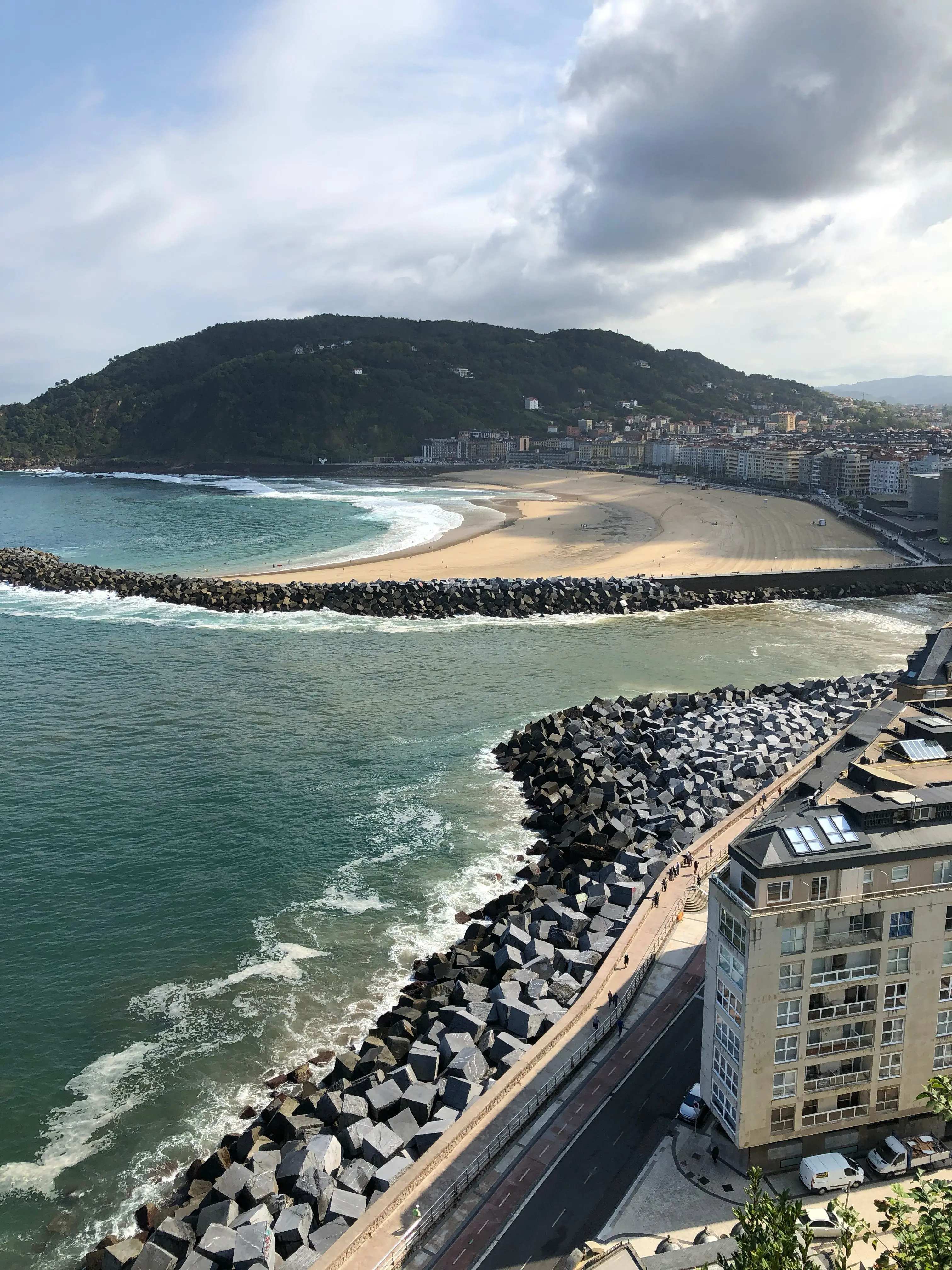
The neighbourhood is compact enough that you will cover most of it on foot within a week without a map, but local buses connect you to Gros, Centro, and the rest of the city quickly.
Local buses run regularly along the perimeter — the old town itself is pedestrianised, so buses drop you at the edge
Walking to La Concha beach takes under 10 minutes from most of the neighbourhood
The port is at the eastern edge of Parte Vieja — a 5-minute walk from Plaza de la Constitución gets you there
A bicycle is useful for reaching Gros or the university area; the city has a public bike-share network
You will not need a car for daily life here — and parking near the old town is the kind of problem that solves itself by being impossible.
Parte Vieja is the most densely packed neighborhood in San Sebastián, with more pintxo bars per square metre than anywhere else in the Basque Country — roughly 100 bars crammed into just a few city blocks.
Where to Stay: Accommodation in the Old Town of San Sebastián
Parte Vieja offers accommodation for all budgets, but the difference between a good stay and a frustrating one often comes down to which street you're on — not which price bracket you're in.
Neighbourhood Comparison: Where to Base Yourself in San Sebastián
Parte Vieja is not the only option — and depending on your working style, it might not even be the best one.
Parte Vieja — €1,400–€2,000/month; historic, lively, noisy at night; best for food lovers and short stays; everything within walking distance
Gros — €1,100–€1,600/month; younger, surf-adjacent, calmer vibe; best for remote workers wanting a quieter base near the beach
Most people start with Parte Vieja because it feels like San Sebastián, then move to Gros after two weeks because they actually want to live there.
What to Know Before You Book in Parte Vieja
Booking is tighter in summer than at any other point in the year, and advance reservations are not optional if you want a furnished apartment rather than a tourist flat.
July and August are the hardest months — book at least six weeks ahead for a furnished apartment with decent WiFi
Deluxe hotels cluster near the port and Plaza de la Constitución; friendly hostels are scattered through the interior streets
Short-term furnished apartments in Parte Vieja typically run €1,400–€2,000/month depending on floor, natural light, and proximity to the loudest streets
Staying in Parte Vieja places you near every major attraction in the city — but proximity to everything also means proximity to everyone else who came to see it.
Basque Cuisine and the Famous Pintxo Bars of Parte Vieja
Basque cuisine is not a style that performs well in summary: you have to eat it in context, and the context here is a narrow bar at 8pm with a glass of txakoli and a plate of something you did not expect to like as much as you do.
Understanding Pintxos Before You Start Eating
Traditional pintxos are small, they move fast, and the protocol is different from ordering tapas in Madrid — which matters if you want to eat like a local rather than point at things nervously.
Pintxos are typically served on baguette slices with toothpicks; the toothpick count is how some bars tally your bill
Prices run €2–€4 per pintxo — a proper txikiteo crawl across four or five bars costs €20–€30 with drinks if you pace it correctly
The txikiteo is not a tourist invention — locals have been doing the pintxo crawl between bars for generations, and the rhythm of one drink, two pintxos, move on, is genuinely the right way to do it
Hot pintxos are made to order and worth the wait; the cold ones on the bar counter have often been sitting there since the previous rush
Ninety-nine bars in 1.5 km sounds overwhelming until you realise you only need to find four or five good ones — and the neighbourhood is small enough that the best ones are rarely more than a two-minute walk apart.
La Cuchara de San Telmo and the Best Bars for Innovative Pintxos
La Cuchara de San Telmo is the bar that changed what people expected pintxos to be — and it remains the clearest argument that basque cuisine is doing something different from the rest of Spain.
La Cuchara de San Telmo — known for innovative pintxos; the veal cheek is the dish that gets ordered at every table, at around €4 a plate; go early or queue
La Viña — the birthplace of the Basque Burnt Cheesecake; a slice costs around €4.50; the recipe has been copied globally but the original is still the one worth eating
Bar Txepetxa — anchovy specialist; every pintxo on the menu involves anchovies in some form; if you think you don't like them, this bar will change your position
Gandarias — reliable for both pintxos and sit-down plates; the cuchara de san telmo crowd overflows here on busy nights, and the quality holds up
The Basque culinary tradition is rich in technique — places like Bar Nestor on Calle Pescadería serve a single daily tortilla that regularly draws a queue by 12:30pm.
The famous pintxo bars in Parte Vieja have international reputations that are, in this case, deserved — the gap between the best bars here and a good tapas bar in Madrid is a genuine gap, not a marketing one.
Plaza de la Constitución and the Historic Landmarks of San Sebastián's Old Town
The old town is compact enough to cover on foot in an afternoon, but the landmarks here carry enough history that rushing through them is a waste of being somewhere this specific.
Plaza de la Constitución: What the Numbered Balconies Mean
Plaza de la Constitución is the heart of Parte Vieja, and the numbered balconies ringing it are not decorative — they are numbered because the square was a bullring until 1863, and the numbers marked the seats.
The square served as a bullring before it became a civic centre; the balcony numbers survive from that era
The Tamborrada festival fills Plaza de la Constitución every January — a drum parade that starts at midnight and runs for 24 hours, and is worth being in the city for if your timing lines up
Plaza de la Constitución is surrounded by cafés and restaurants; the quality varies, but the morning coffee from a seat on the terrace before the day-trippers arrive is hard to beat
San Sebastián was rebuilt after the 1813 destruction — which is why the old town feels coherently 19th-century rather than medieval; the square reflects that reconstruction era
If you only spend an hour in the square, spend it before 10am — after that it belongs to everyone else.
Churches, Museums, and the Port: The Rest of the Old Town's Attractions
The neighbourhood packs more art, history, and architecture per square metre than anywhere else in the city — and most of it is within five minutes on foot from the square.
San Telmo Museum — explores Basque history, culture, and art across a converted convent; free on Tuesdays; worth two hours minimum
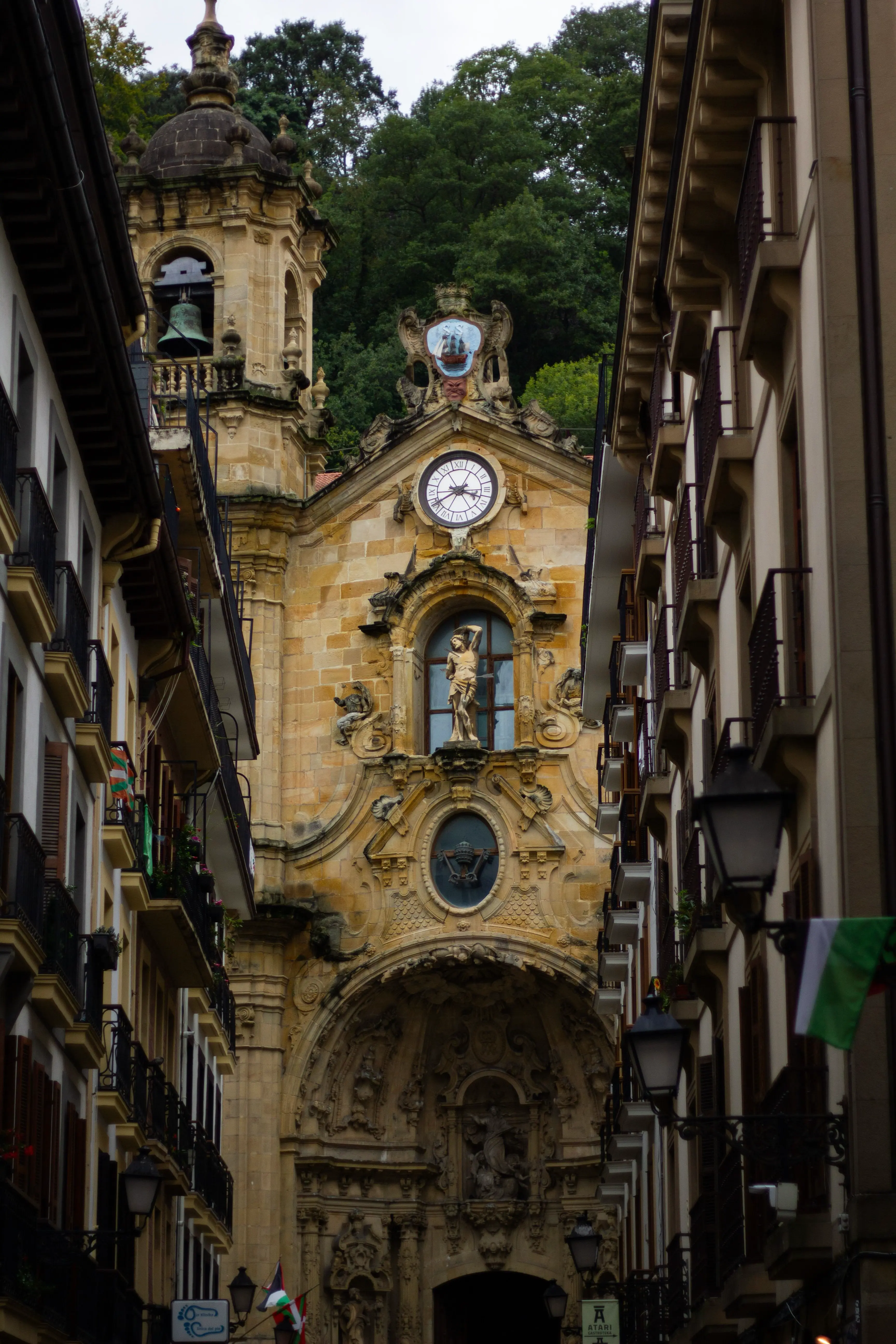
Basilica of Santa María del Coro — an 18th-century Baroque church built in 1774, located at the foot of Monte Urgull; the interior is quieter than the streets outside suggest
Church of San Vicente — the oldest church in the city, dating to the 16th century; predates the 1813 destruction and carries a different weight than the rebuilt neighbourhood around it
San Sebastián Aquarium — the 360-degree shark tank viewing tunnel is genuinely impressive; located at the port, which itself offers a glimpse into the city's seafaring past
The port at the eastern edge of Parte Vieja is the one part of the neighbourhood that feels like it belongs to the sea rather than to tourism — walk there at dusk and the city makes a different kind of sense.
The Cathedral of the Good Shepherd is a ten-minute walk from Plaza de la Constitución — a useful landmark when you are trying to orient yourself for the first time.
Eating and Drinking in Parte Vieja: What the Food Culture Actually Demands of You
The food culture here is world-class by any measure — but it has rules, and if you ignore them you will eat worse and spend more than someone who arrived the day before you.
Pintxos Bars Worth the Queue
The best bars change by the hour, not just by the day — a bar that's dead at 7pm can be the most lively room on the street by 8:30pm.
Bar Bergara — consistently strong pintxos, around €2.50–€3.50 each; the txangurro (spider crab) on toast is a sign of what the kitchen can do when it's focused
Borda Berri on Calle Fermin Calbeton — a glass of Txakoli costs €2.50; the braised oxtail pintxo is delicious and changes the conversation about what bar snacks can be
Bar Goiz Argi — famous for prawn skewers, €3 each; arrive before 8pm or accept standing three-deep at the bar
Drop the habit of sitting down to eat — pintxos culture is vertical; you stand, you eat, you move
The diners who get the most out of Parte Vieja are the ones who treat the evening as a walk between five bars rather than a reservation at one.
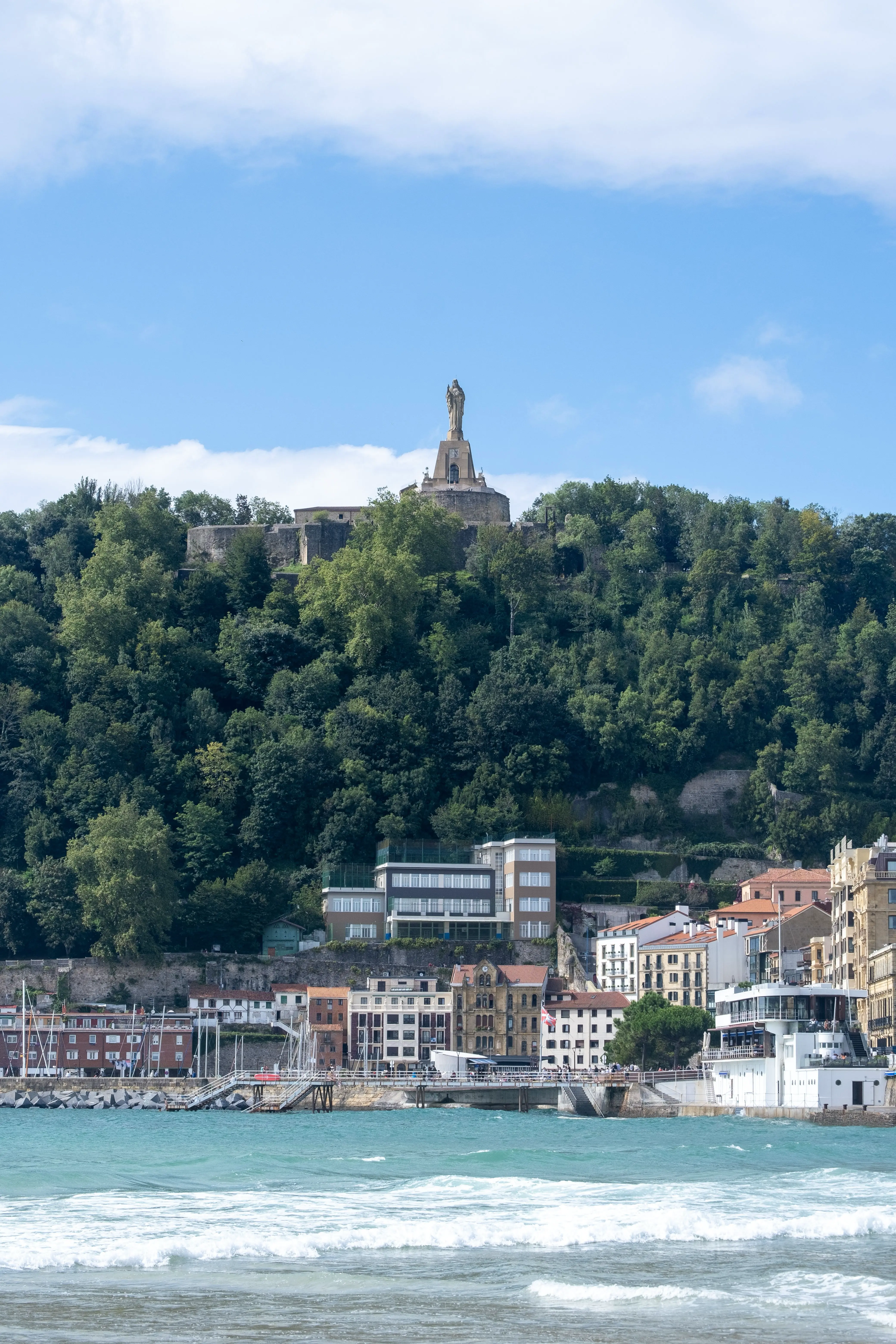
Where to Eat a Full Meal Without the Tourist Premium
Sit-down restaurants in the old town vary sharply — some earn their prices, most don't, and the menú del día is the clearest signal of which is which.
Restaurante Juanito Kojua near the port — a working seafood restaurant where local fishermen eat; the menú del día runs around €16 and is a half-meal in itself before the main course arrives
Bodegón Alejandro on Calle Fermin Calbeton — a Michelin-recommended kitchen without Michelin prices at lunch; set menus from €22 and the dessert course alone makes it worth the detour
Avoid any restaurant with a laminated photo menu facing the street — the tradition here is a handwritten board inside, and that distinction matters
If you eat one sit-down meal in Parte Vieja, eat it at lunch — the same kitchen, the same quality, and often half the dinner price.
Calle Fermín Calbetón has a run of pubs and pintxo bars so close together that you can do a full txikiteo — moving bar to bar with a small glass of wine at each — in under two hours without repeating a venue.
Coffee, Sweet Things, and the Morning Routine
The neighbourhood's sweet spots are easy to walk past if you don't know what you're looking for — the best ones have no sign beyond a handwritten menu in Euskara and Spanish.
Pastelería Otaegui on Calle Narrica — the gâteau Basque here is the sweet tradition made correctly; €3.50 a slice, and the pastry case changes with the season
Café-Bar Martínez — espresso for €1.40, no laptop crowd, no pretension; the kind of place where you hear Euskara at the bar every morning without exception
Avoid the cafés on the main tourist drag that offer free WiFi in large font — the coffee is worse and costs twice as much
The morning routine in Parte Vieja is its own quiet pleasure — before 9am, the neighbourhood belongs to the people who actually live there.
Living in Parte Vieja: Practical Realities for Remote Workers and Long Stays
The food gets you here, but the accommodation realities are what determine whether you stay or move to Gros after the first week — and the answer depends on which building you land in and what time you need to sleep.
What to Expect From Furnished Apartments in the Old Town
Parte Vieja furnished apartments vary more in quality than in price — you can pay €1,800 a month and get thin walls and a view of a bar's extraction fan.
The streets off Calle Iñigo and Calle Embeltrán are quieter than the main bar streets and still within a two-minute walk of everything; prioritise these over anything facing Calle Fermin Calbeton
Upper floors matter enormously — a fourth-floor apartment on a lively street is a different life from a ground-floor one; ask specifically what floor before you book
Most furnished apartments here don't include a dedicated workspace — a small desk beside the kitchen table is the norm; if you need a proper setup, build coworking costs into your monthly budget
Fully furnished apartments in San Sebastián — filtering by neighbourhood saves a week of back-and-forth with landlords who assume you know the city
The difference between a good and a bad month in Parte Vieja is often just one floor and one street — details worth nailing before you arrive.
Coworking and Connectivity in and Around the Old Town
Parte Vieja itself has almost no dedicated coworking — the neighbourhood is focused on eating and sleeping, not productivity — but there are two options close enough to use without losing the old town as your base.
Impact Hub Donostia on Avenida de la Libertad, a ten-minute walk from the old town — day passes from €15, reliable fibre connection, quiet enough to take calls
Biblioteca Koldo Mitxelena — free public library with WiFi and study spaces; closes at 8:30pm, which matters if you keep late hours
Most pintxos bars have WiFi nominally — but the sounds of a bar in full evening flow make it unusable for anything requiring concentration; don't try to work from them past 7pm
If you need to produce focused work every day, Parte Vieja as a live-work base requires a clear plan — not just a good laptop and optimism.
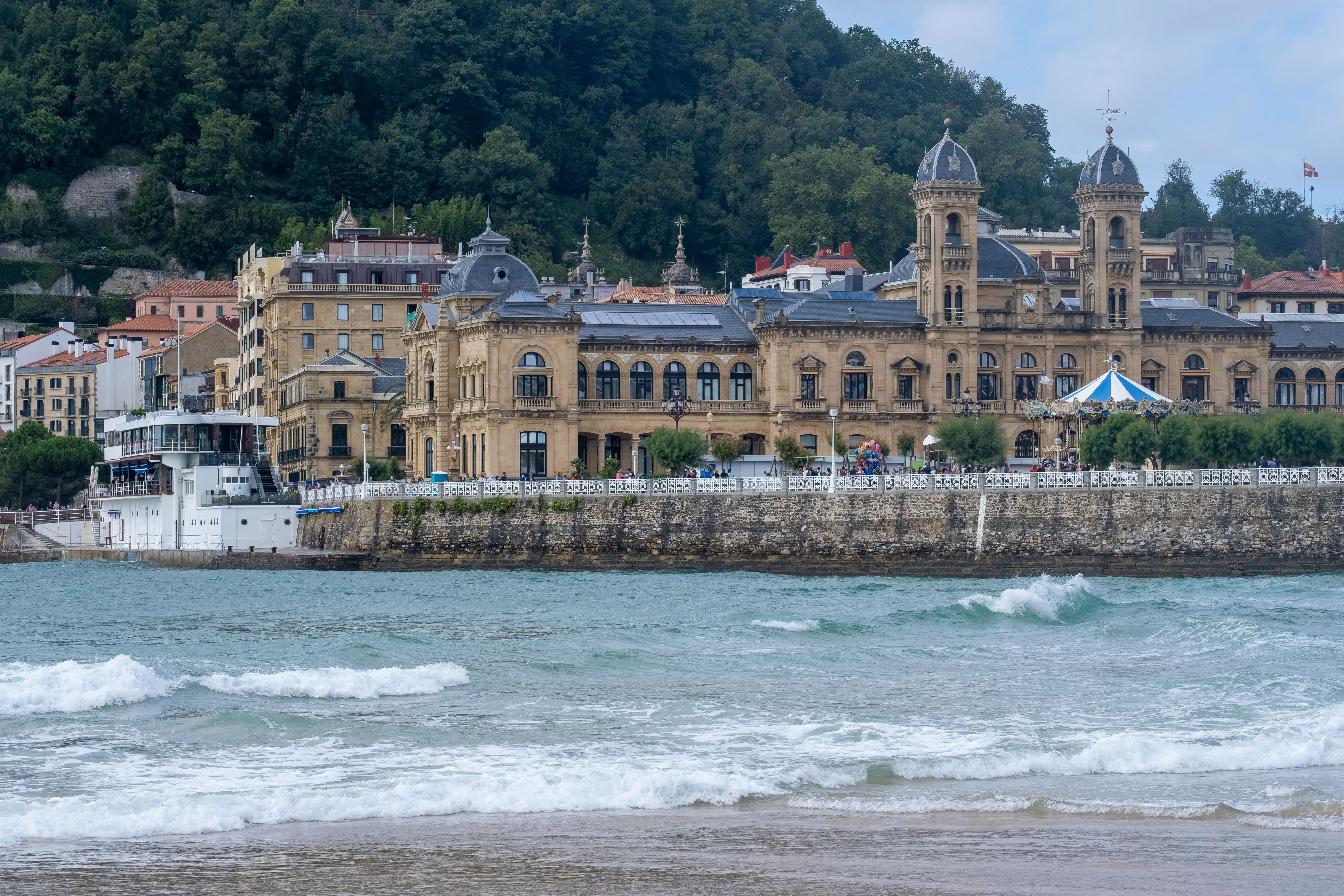
Getting Around: Parte Vieja as a Base for Exploring the City
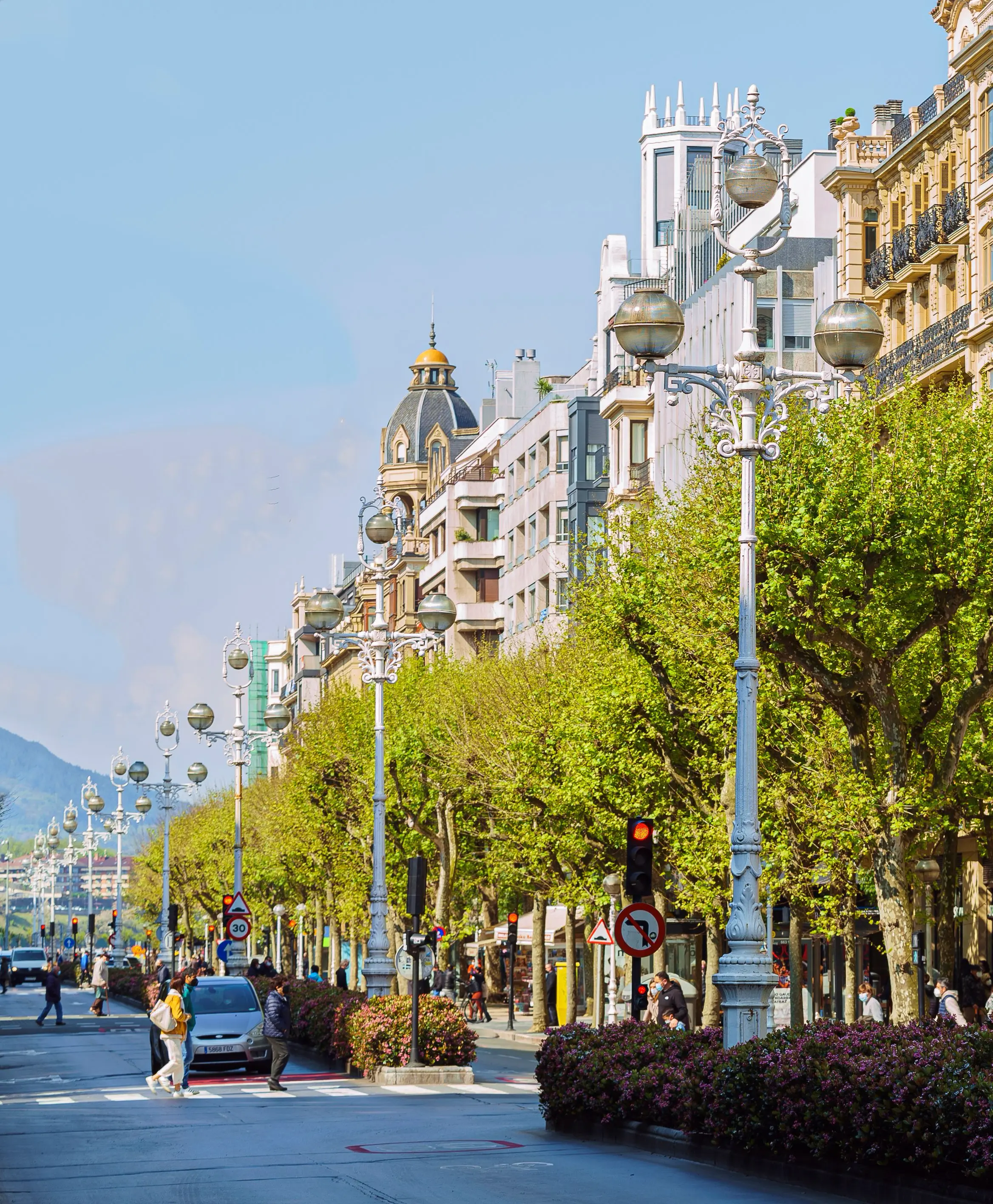
San Sebastián is a small city by European standards, and using Parte Vieja as your base means most of the city is already walkable — which changes the economics of a longer trip.
The Euskotren station in Gros connects to Bilbao in under an hour — a half-day trip worth making, and the train runs from around €6 each way
Donostibus city buses run frequently and cost €1.65 per trip; a monthly pass for residents is around €35 and pays for itself within three weeks
Biarritz is 45 minutes by bus — the Alsa or PESA buses from the city's bus station run several times daily; a free afternoon with a different culture and coastline
Most of San Sebastián's beaches, parks, and hills are reachable on foot from the old town in under 30 minutes — a car here is a cost you genuinely don't need
Day-to-day shopping for groceries is easiest at Mercado de la Bretxa, where a week's worth of fresh produce costs noticeably less than the tourist-facing shops on Calle Mayor.
The city's geography does most of the logistical work for you — Parte Vieja sits at the centre of it in a way that makes spontaneous exploration easier than in most European cities its size.
History, Culture, and the Streets That Tell the Story
Parte Vieja carries a complicated history — a 1813 siege and near-total destruction, a century of rebuilding, and a living Basque culture that sits alongside all of it without needing to explain itself to visitors.
The Architecture That Survived and the Streets That Were Rebuilt
Walking Parte Vieja without knowing what burned down in 1813 means you miss half of what you're looking at — the coherence of the neighbourhood is the result of rebuilding, not of survival.
Baluarte del Mirador, the old city wall walk above the port — one of the few physical traces of the pre-siege fortification; easy to walk past without noticing what it is
Calle Mayor runs the length of the old town and was the commercial spine of the rebuilt 19th-century city — the scale of the buildings reflects ambition rather than tradition
Mercado de la Bretxa on Plaza de Sarriegi — a covered market built partly underground; the fresh produce hall and fish counters downstairs are where local life happens on weekend mornings
The street grid itself is evidence of the post-siege reconstruction — regular, rational, un-medieval; it's Neoclassical urbanism imposed on a Basque coastal settlement
The history here isn't in ruins or plaques — it's in the scale of the doorways and the regularity of the grid; you have to look at the buildings to hear what happened.
Basque Culture in Daily Life: What You Actually Encounter
The culture in Parte Vieja isn't performed for visitors — it's the backdrop that everything else operates against, and if you stay long enough you start to notice the patterns.
Euskara is the first language in many of the old town's bars and markets — not a tourist attraction, just a living language; you will hear it in conversation constantly and it takes adjustment
The txoko (gastronomic society) culture is embedded in the neighbourhood — private cooking clubs that date back generations; you won't get in as a visitor, but knowing they exist explains why the best cooks in the city aren't in restaurants
The old town's festivals — Semana Grande in August and the Tamborrada drum festival in January — are loud, long, and genuinely local; timing your trip around them is either a great idea or the reason to avoid summer entirely, depending on your tolerance for crowds
Atano III fronton — a pelota court a short walk from the old town where you can watch jai alai for free on Sunday mornings; the single most local thing you can do in San Sebastián that nobody in the old town mentions
The culture here doesn't ask for your attention — it just goes on around you, and whether you engage with it or not is entirely up to you.
The old city walls once enclosed Parte Vieja entirely, and you can still see remnants near the Bretxa market where the fortifications met the harbour.
Is Parte Vieja San Sebastián Right for Your Stay?
Who Parte Vieja Actually Works For
This neighbourhood rewards people who made a deliberate choice to be here, not those who ended up here by default.
Food-driven travellers who want pintxos bars within two minutes of their front door
Remote workers who can tolerate ambient noise and don't need silence to function
People staying a month or more who want to feel embedded in a neighbourhood, not visiting it
Travellers who understand that atmosphere has a cost and have decided it's worth paying
The old town will give you more in a month than most cities give in three — but only if you actually want what it's offering.
If you are visiting San Sebastián with friends who eat and drink at different paces, Parte Vieja works well because the bars are genuinely cheap — a glass of txakoli rarely costs more than €2 — and nobody has to commit to a full sit-down meal.
When You Should Choose Gros or Amara Instead
Parte Vieja is not the default best option in San Sebastián, and knowing when to leave it off your list is as useful as knowing when to pick it.
If you need silence before midnight, the old town's bar culture will wear on you within a week
If a dedicated workspace matters, Gros has quieter apartments at lower price points
If routine is how you work best, Amara's residential character will protect it better than any old town street can
The cost difference between neighbourhoods is real enough to change what you can afford for the month
The decision is less about budget and more about what kind of stay you actually want to have.
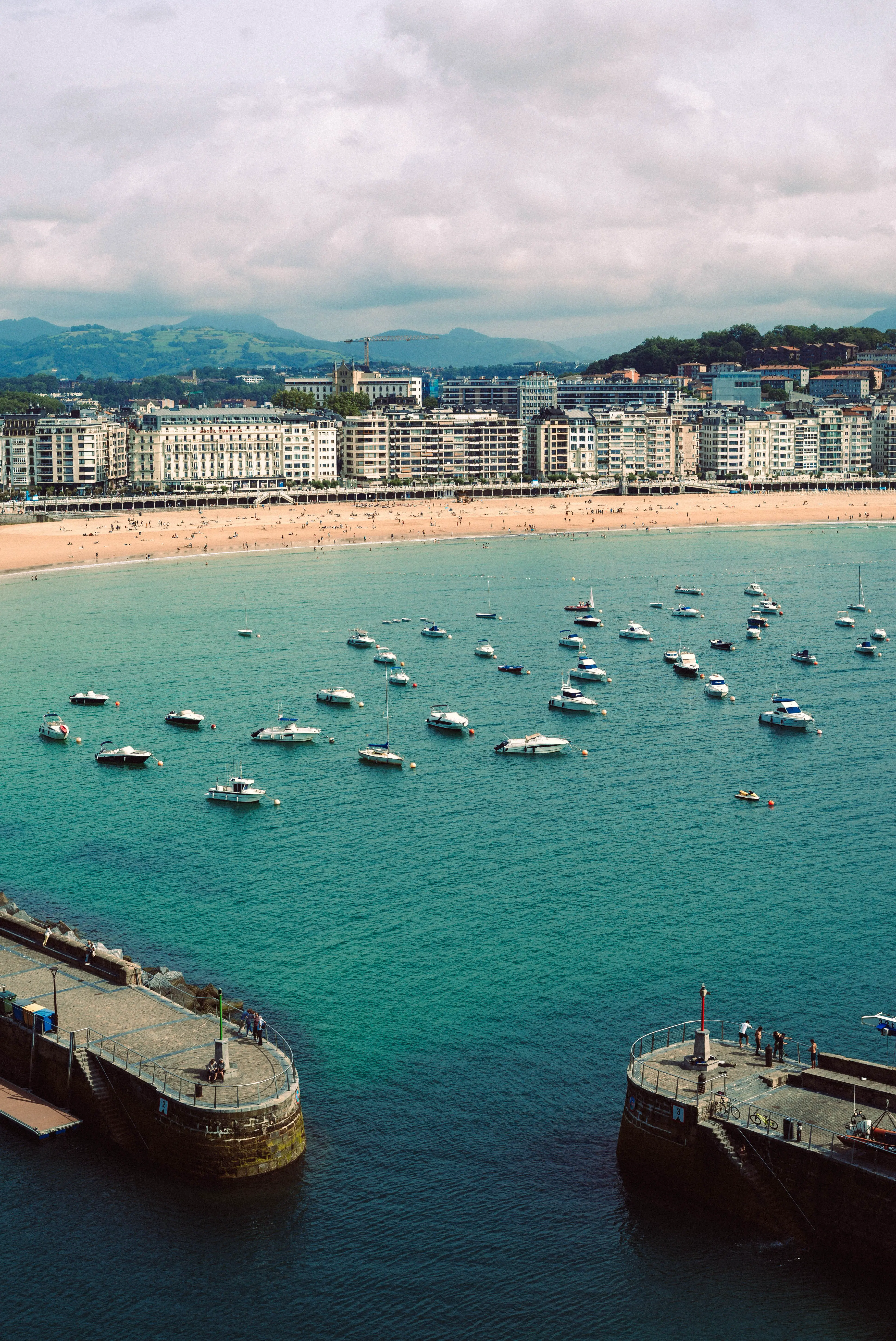
How San Sebastián Fits Into a Longer Stay in Spain
San Sebastián is one of the more manageable long-stay cities in Spain — small enough to know quickly, good enough at the fundamentals to stay longer than planned.
The city is compact enough that you understand the full picture within the first week
Quality of life benchmarks — food, safety, walkability — sit consistently high across all neighbourhoods
It works as a first Spanish base precisely because it sets expectations that are hard to beat
Explore your broader options through fully furnished apartments in Spain before committing to a single city
Use San Sebastián as the benchmark against which everything else gets measured.